
Know before you go
Albania: History and Culture
A small country with a long memory. Here is a short guide to where Albania comes from, what its people care about, and how to be a welcome guest.
A short history
From ancient tribes to a modern, open country, in eight steps.
-
Ancient timesIllyrians and Greek colonies
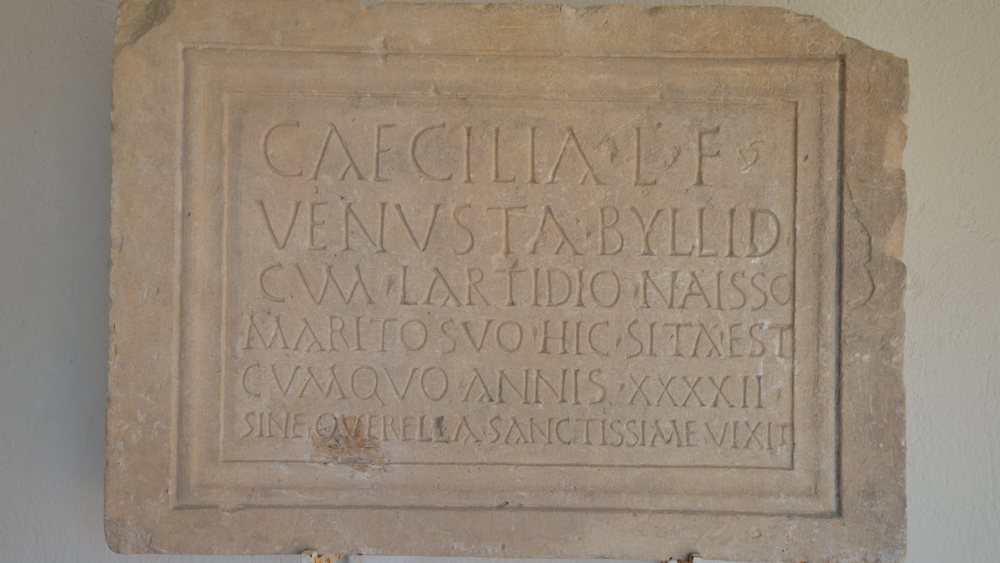
The land that is now Albania was home to Illyrian tribes. From around the 7th century BC, Greek settlers founded coastal cities, including Apollonia and Dyrrachium, today’s Durrës.
-
Roman eraA crossroads of the empire
Rome took control of the region in the 2nd century BC. The Via Egnatia, a major road towards Constantinople, began at Dyrrachium, and coastal cities such as Butrint grew rich on trade.
-
Middle AgesByzantines, princes and Skanderbeg
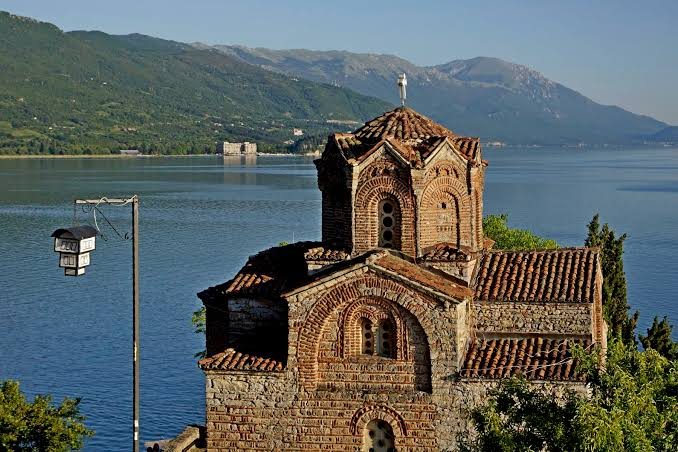
After Rome came Byzantine rule and a patchwork of local principalities. In the 15th century, Gjergj Kastrioti, known as Skanderbeg, united Albanian leaders and resisted the Ottoman armies for about twenty-five years from his base in Krujë. He is still the country’s national hero.
-
1400s to 1912The Ottoman centuries
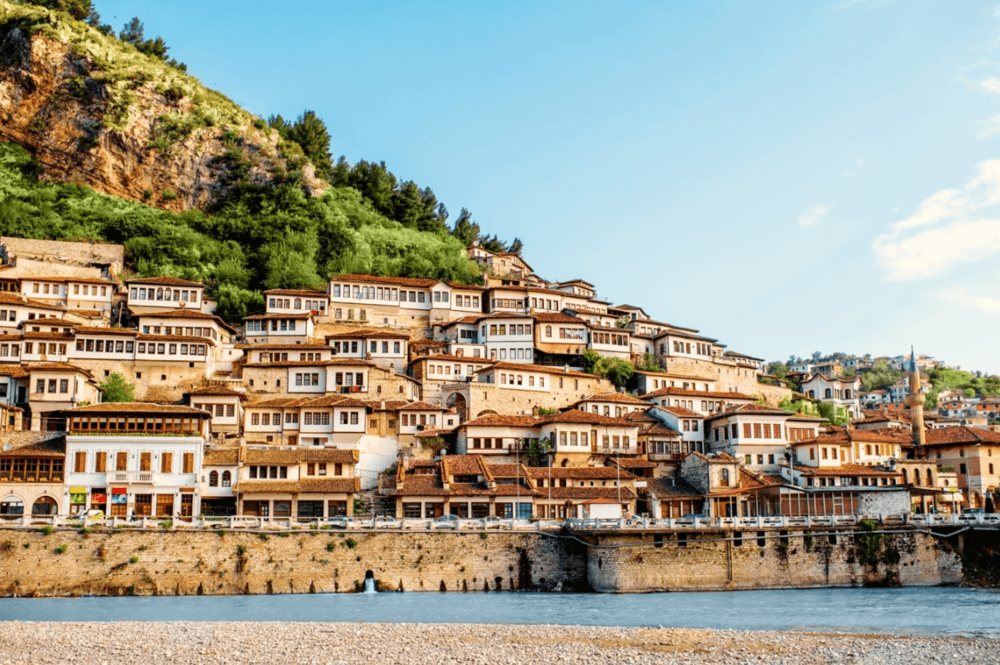
After Skanderbeg’s death, Albania became part of the Ottoman Empire for more than four hundred years. Many Albanians converted to Islam, and towns such as Berat and Gjirokastër gained the mosques, bazaars and stone houses that still shape their streets.
-
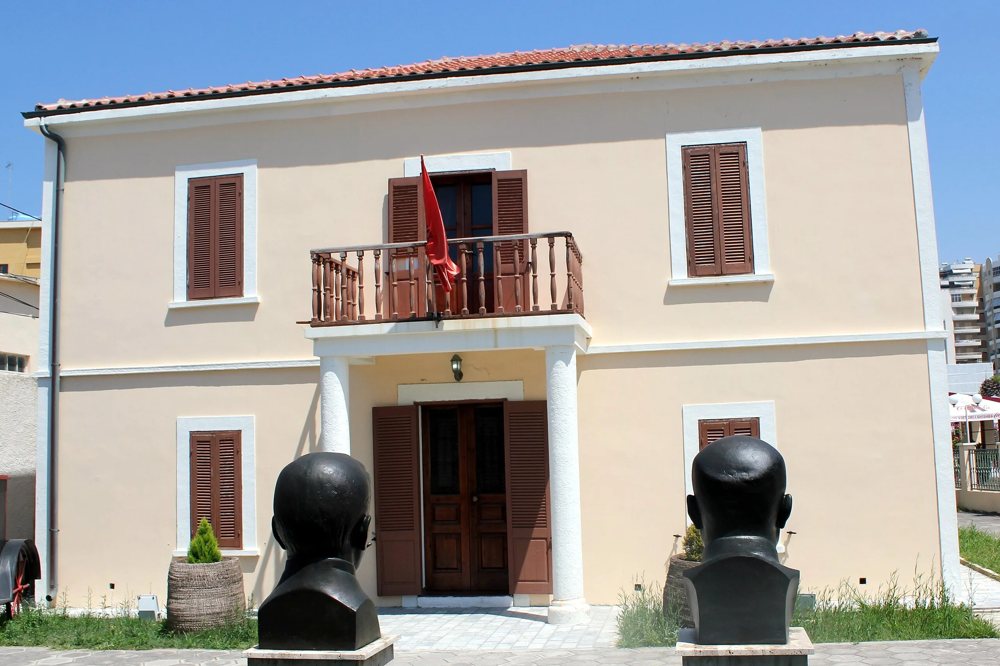
28 Nov 1912Independence
Albania declared its independence in the port city of Vlorë, with Ismail Qemali leading the first government. The date is still celebrated every year.
-
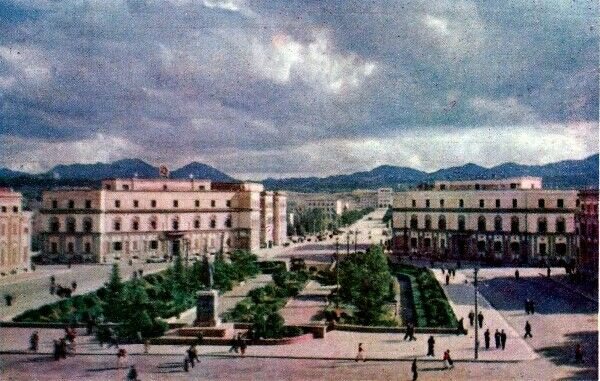
1920s to 1944A young state at war
Albania briefly became a kingdom under King Zog. Italy occupied the country in 1939, and Albania was drawn into the Second World War.
-
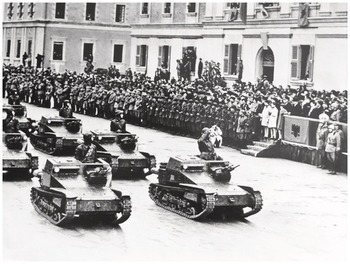
1944 to 1991Communist isolation
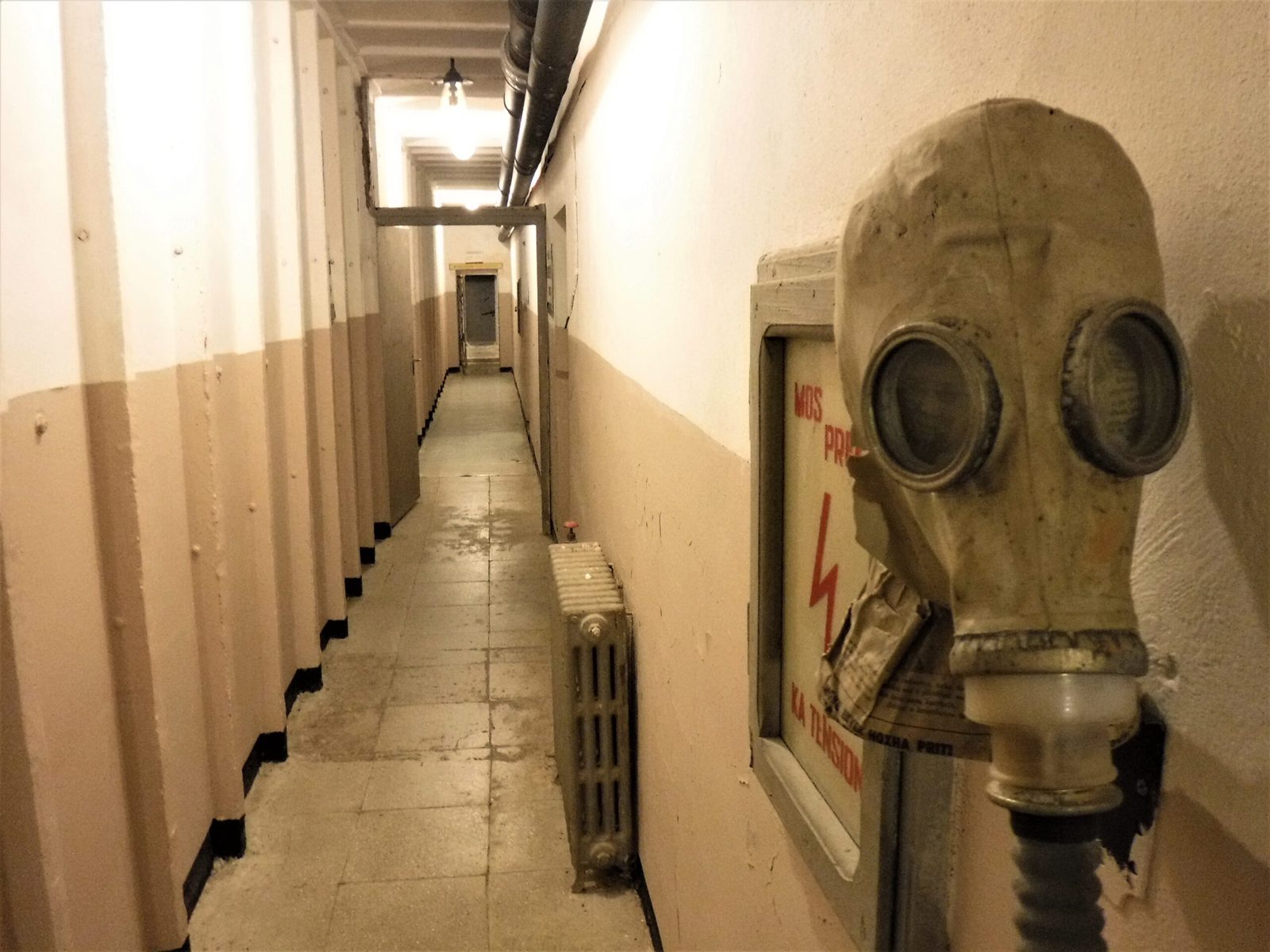
Under Enver Hoxha, Albania became one of the most closed countries in the world. Religion was banned in 1967, travel was tightly controlled, and well over a hundred thousand concrete bunkers were built across the landscape. Many still stand today.
-
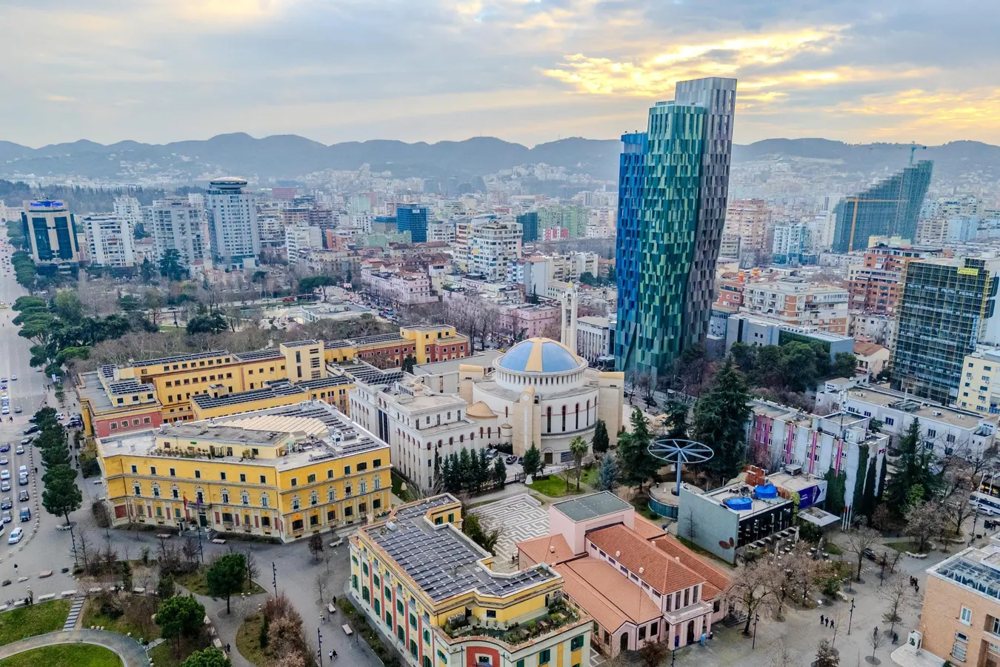
1991 to todayOpening to the world
After communism ended, Albania opened its borders and began to rebuild. The 1990s were hard, but the country joined NATO in 2009 and is now working towards membership of the European Union. Tourism has grown quickly in recent years.
Where you can see it
History is easy to find in Albania, because so much of it is still standing. These places are all on our routes.
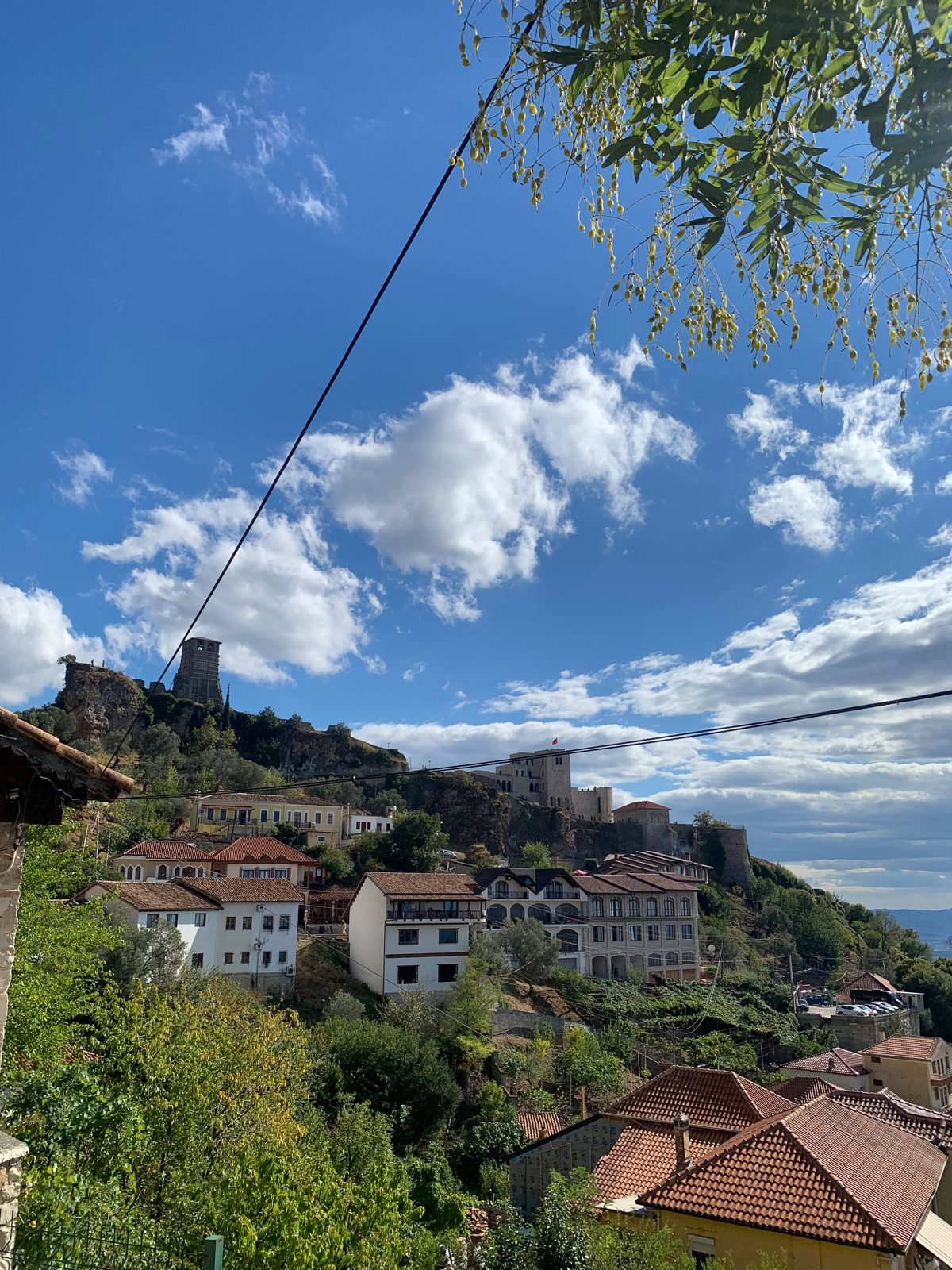
Krujë
Skanderbeg’s hilltop town, with a castle, a museum about his life and an old bazaar of craft shops on the way up.
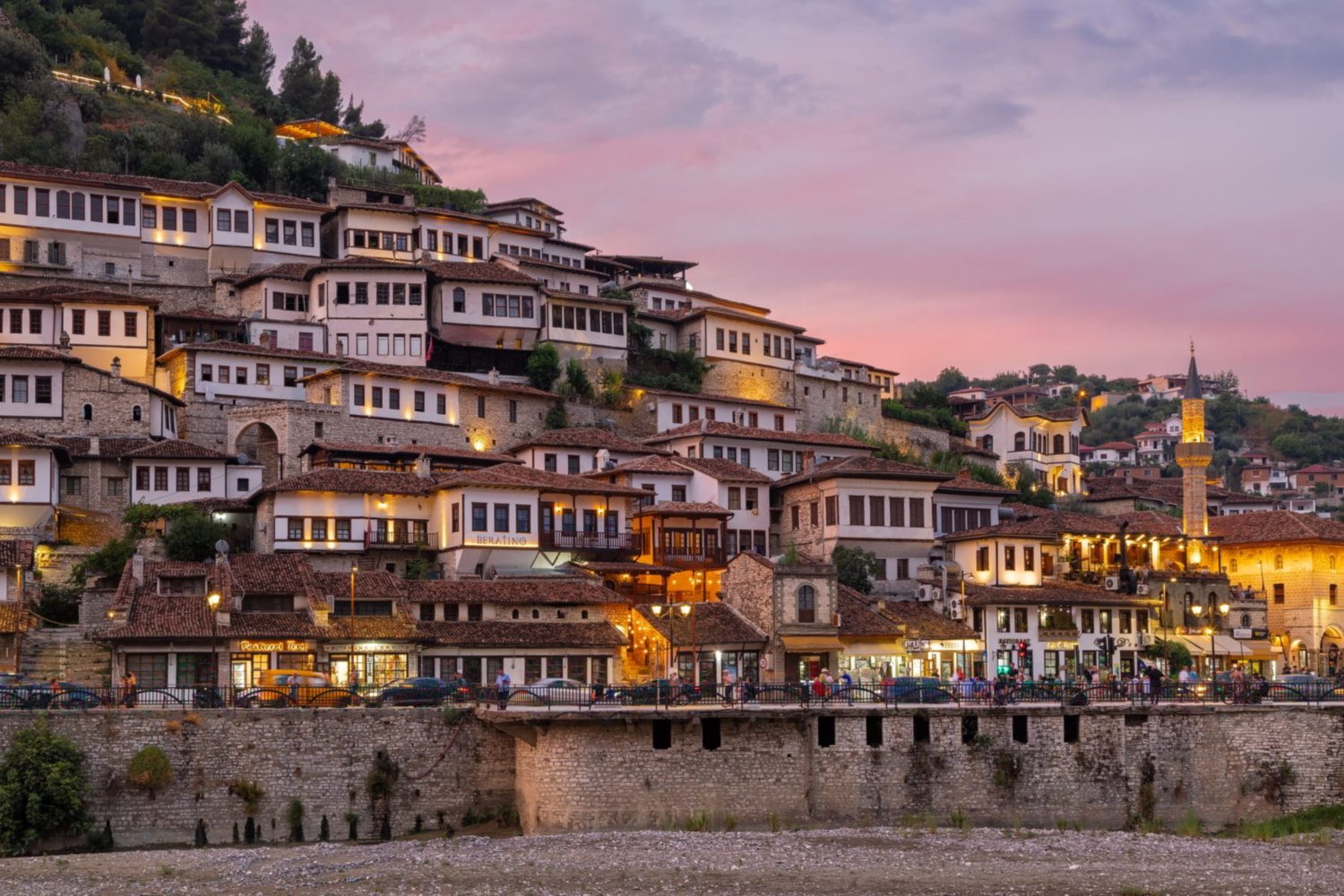
Berat
The “city of a thousand windows”, where Ottoman houses climb the hillside below a castle. Its historic centre is a UNESCO World Heritage Site.
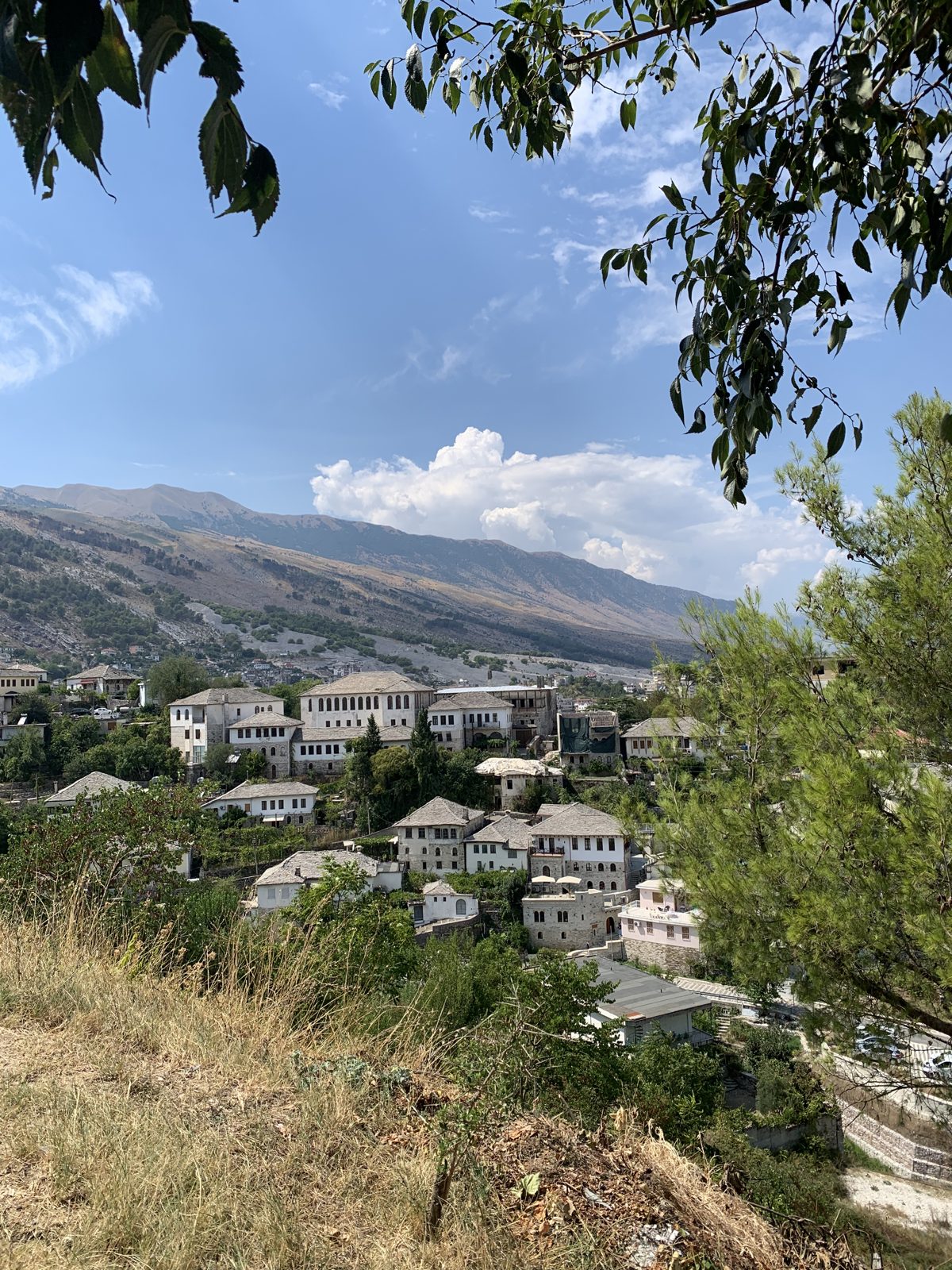
Gjirokastër and Butrint
Gjirokastër is a town of grey stone roofs and tall fortified houses under a great castle. Further south, Butrint is an ancient city beside a lagoon, with Greek, Roman and Byzantine ruins. Both are on the UNESCO World Heritage list.
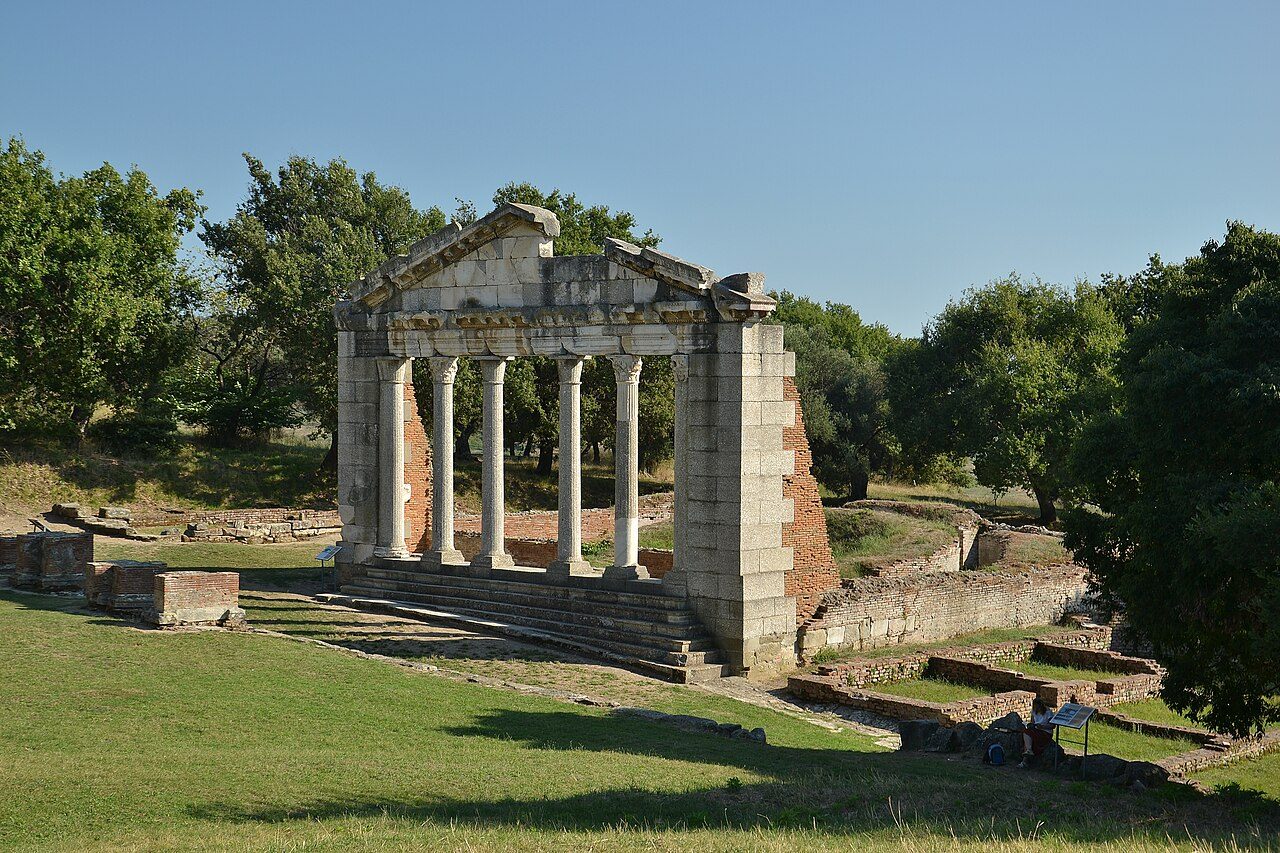
Apollonia
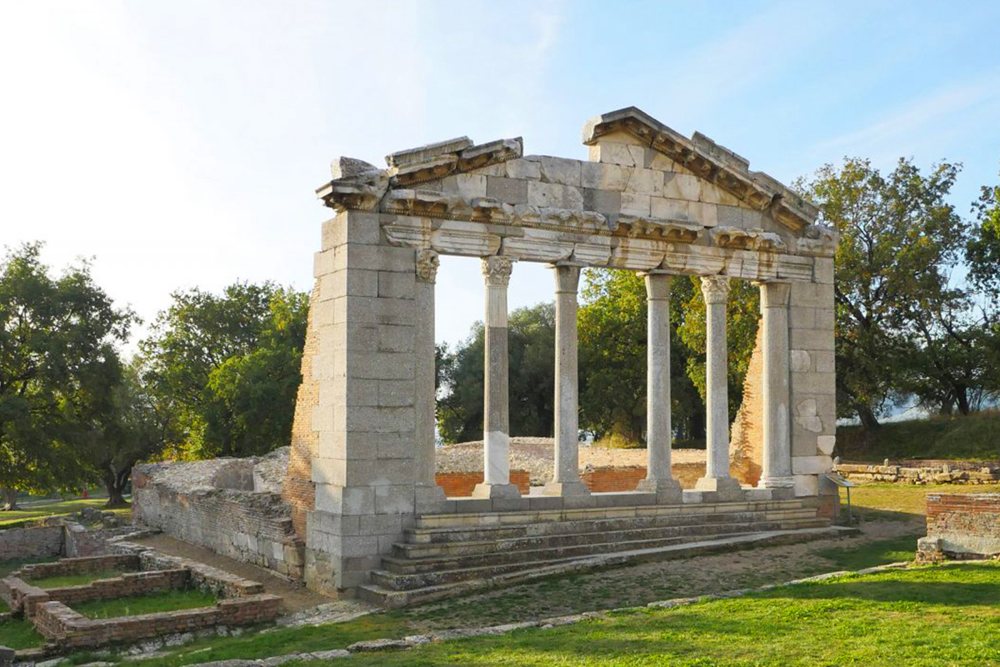
The ruins of a Greek and Roman city on a quiet hill near the coast, with columns, a theatre and a monastery.
Durrës
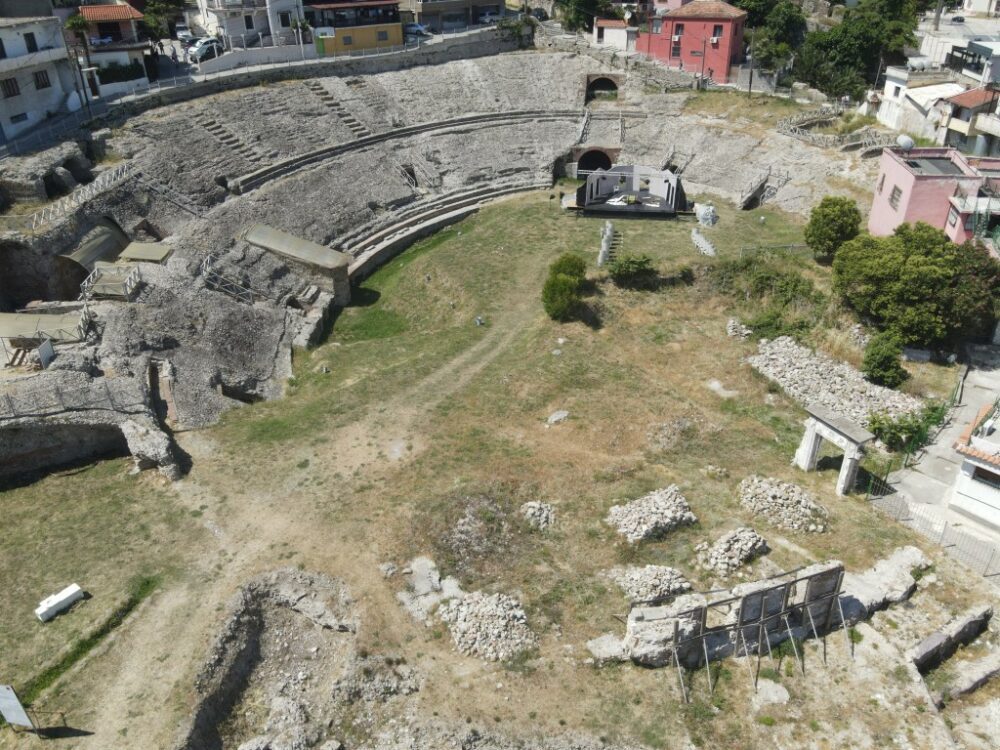
One of the oldest cities in the country, with a Roman amphitheatre in the middle of town and a long seafront.
Shkodër
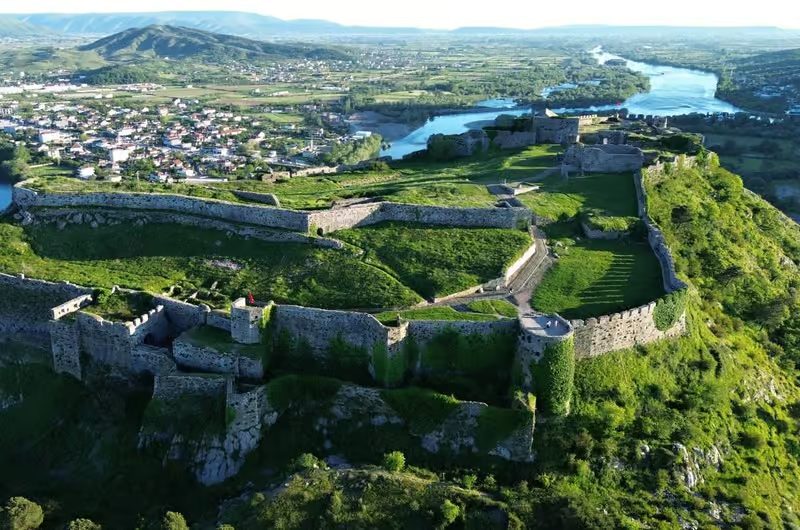
Rozafa Castle stands above the city and the lakes, and comes with a famous legend about a woman built into its walls.
Bunk’Art
A huge communist-era bunker near Tirana, now a museum about the years of isolation and secret police.
Culture and everyday life
What Albanians care about, and what you will notice in a day of travelling.
Hospitality and besa
“Besa” means a given word, and keeping it is a matter of honour. A guest is treated with respect: expect coffee, something sweet or ivinting you to eat lunch with them. It is fine to refuse politely, but you may be offered twice.
A language of its own
Albanian is the only living language in its own branch of the Indo-European family. It has two main dialects, Gheg in the north and Tosk in the south. Try “Mirëdita” (good day) and “Faleminderit” (thank you).
Many faiths, one table
Sunni Muslims, Bektashis, Orthodox and Catholic Christians live side by side, often in the same family. The Bektashi world centre is in Tirana, and Sari Salltik, on our Krujë tour, is a place linked to that tradition.
Music and dance
Albanian folk iso-polyphony, a style of group singing with a steady drone underneath, is recognised by UNESCO as intangible cultural heritage. You may hear folk songs and dances at weddings and festivals.
Food
Look for byrek (a savoury pastry), tavë kosi (baked lamb with yoghurt), fërgesë (peppers, tomatoes and cheese), grilled meat, fresh seafood on the coast, local olive oil and honey.
The evening xhiro
As the day cools, towns fill with people taking the xhiro, a slow stroll along the main street or promenade. It is the best way to feel the local rhythm: join in with an ice cream or a coffee.
Small things that make you welcome
Greetings
A handshake and a friendly “Mirëdita” go a long way. Good friends often greet with kisses on both cheeks.
Mosques and churches
Cover your shoulders and knees, and take your shoes off if you enter a mosque.
Photos of people
Most people are happy to be photographed, but ask first, especially in villages.
Tipping
In restaurants it is common to round up or leave around 10 percent for good service.
Head gestures
A nod can sometimes mean “no”, and a side-to-side shake can mean “yes”. If you are unsure, check with words.
See it for yourself
Pick a tour with history on the route, or tell us what you want to see and we will plan it.
See Our Tours